An overview of how scientific research examines natural approaches to joint health and the mechanisms by which natural compounds support joint function.
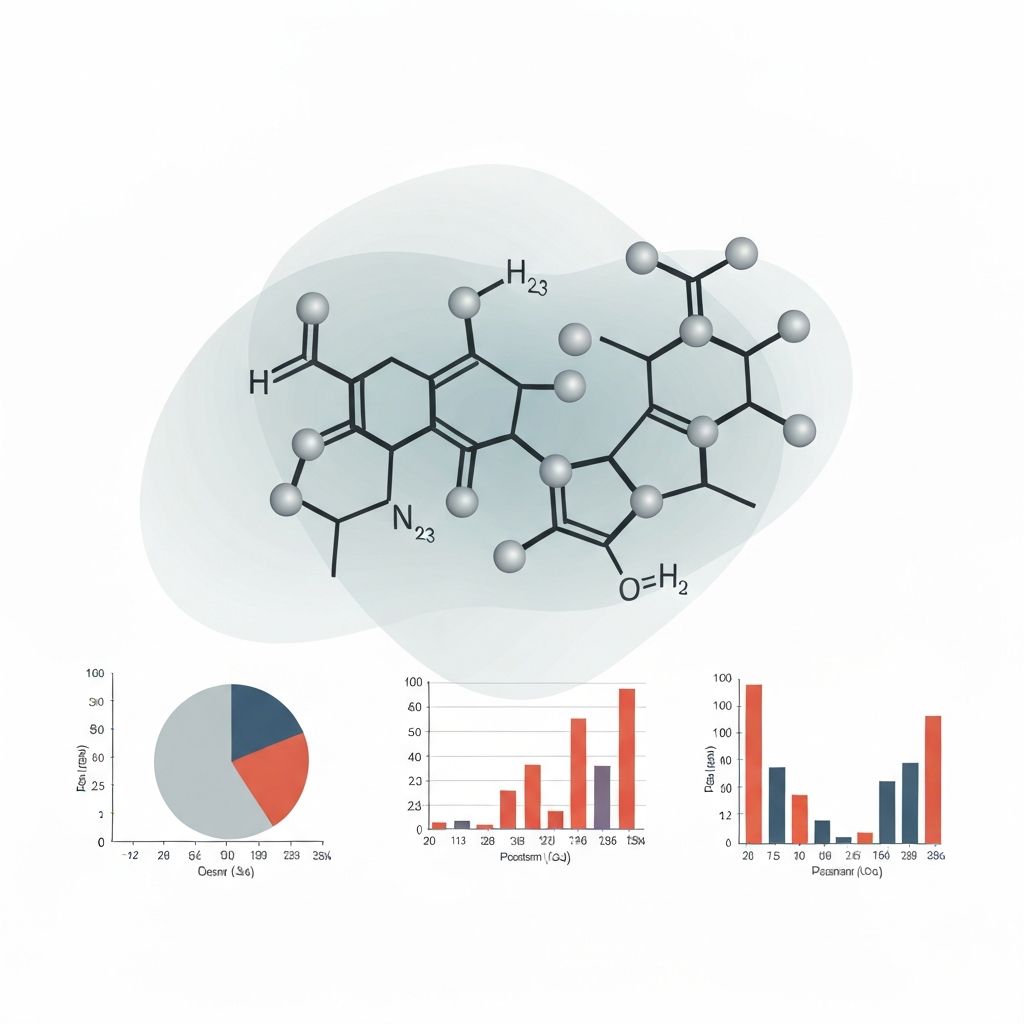
Scientific research employs rigorous methods to examine how substances and interventions affect biological systems. When studying natural compounds and joint health, researchers investigate multiple aspects: the composition of substances, how they are processed by the body, what effects they produce, and through what mechanisms they produce these effects.
This scientific approach provides the foundation for evidence-based understanding of natural approaches to joint wellness. Rather than relying solely on anecdotal reports or traditional claims, science seeks to understand what actually happens at biological levels.
Scientific research on natural compounds and joint health employs various methodologies:
Laboratory research examines how compounds interact with cells and tissues at molecular levels. These studies help identify potential mechanisms of action.
Research with animal models helps understand how compounds function in living organisms before human testing.
Human studies examine the effects of interventions in real-world conditions with actual people. These studies provide direct evidence about human responses.
Research examining patterns in populations helps identify associations between factors and health outcomes.
Statistical reviews of multiple studies provide overarching insights about what the body of research suggests.
Research specifically investigating how and why compounds produce their effects helps build comprehensive understanding.
Scientific research on natural compounds has identified various substances with potential relevance to joint health. This research documents what these compounds are, how they function in biological systems, and what effects they produce.
Important characteristics of scientific research:
Scientific literature contains extensive research on various natural compounds in relation to joint health. Researchers have examined how these compounds:
Many natural substances now studied in scientific research have long histories of use in various traditional and cultural systems. Science has increasingly examined these traditional practices, seeking to understand both their mechanisms and their validity.
This integration of traditional knowledge with modern scientific methods has proven productive, validating some traditional uses while also providing deeper understanding of how and why these substances work.
When reviewing scientific research on natural compounds and joint health, several considerations are important:
Not all studies are equally rigorous. Quality varies based on study design, sample size, methodology, and other factors.
The dosage, form, and context in which a compound is tested affects the results. Laboratory conditions may differ from real-world use.
Research documents average effects, but individuals vary in their responses to interventions.
Joint health is influenced by many factors. No single compound or intervention addresses all aspects of wellness.
This article provides educational information about scientific research on natural compounds and joint health. It is not medical advice, treatment recommendations, or product endorsements.
Scientific research is ongoing and evolving. Claims should be evaluated carefully and in context with qualified professional guidance.
 Viquora